Film photography has seen a remarkable resurgence in recent years. With the advent of digital technology, many people thought the art of shooting on film would fade away, but instead, it has found a new wave of enthusiasts. Whether you’re drawn to the nostalgic quality of film, the analog process, or the unique aesthetic that digital cameras can’t quite replicate, choosing the right film camera can be daunting for newcomers and seasoned photographers alike.
Why Choose a Film Camera?
Before diving into the specifics of camera models, it’s important to understand why many photographers are still drawn to film. Unlike digital photography, which offers near-instant results, film requires a more thoughtful approach. There’s a certain tactile joy in loading film into a camera, composing your shot, and waiting for your prints to develop. It’s a slower, more deliberate process that encourages creativity and mindfulness.
Moreover, the results you get from film cameras, whether it’s the grainy texture, unique color rendition, or the depth and character of the images, are something digital cameras often can’t replicate. Each type of film stock has its own personality, so you can experiment with different films to achieve the exact look you want.
Factors to Consider When Choosing a Film Camera
When choosing a film camera, it’s important to consider the following factors:
1. Type of Film Camera: Point-and-Shoot vs. SLR vs. Rangefinder
There are several types of film cameras to choose from, each with distinct features that cater to different shooting styles.
Point-and-Shoot Cameras: These are often the most user-friendly, perfect for beginners who want a no-fuss experience. Point-and-shoot cameras are typically compact, lightweight, and feature automatic settings. While the quality may not rival higher-end models, they are fantastic for casual photographers and those who want to carry a camera on the go. Many vintage point-and-shoot cameras, like the Olympus Stylus or the Canon Sure Shot, are known for producing sharp, beautiful images.
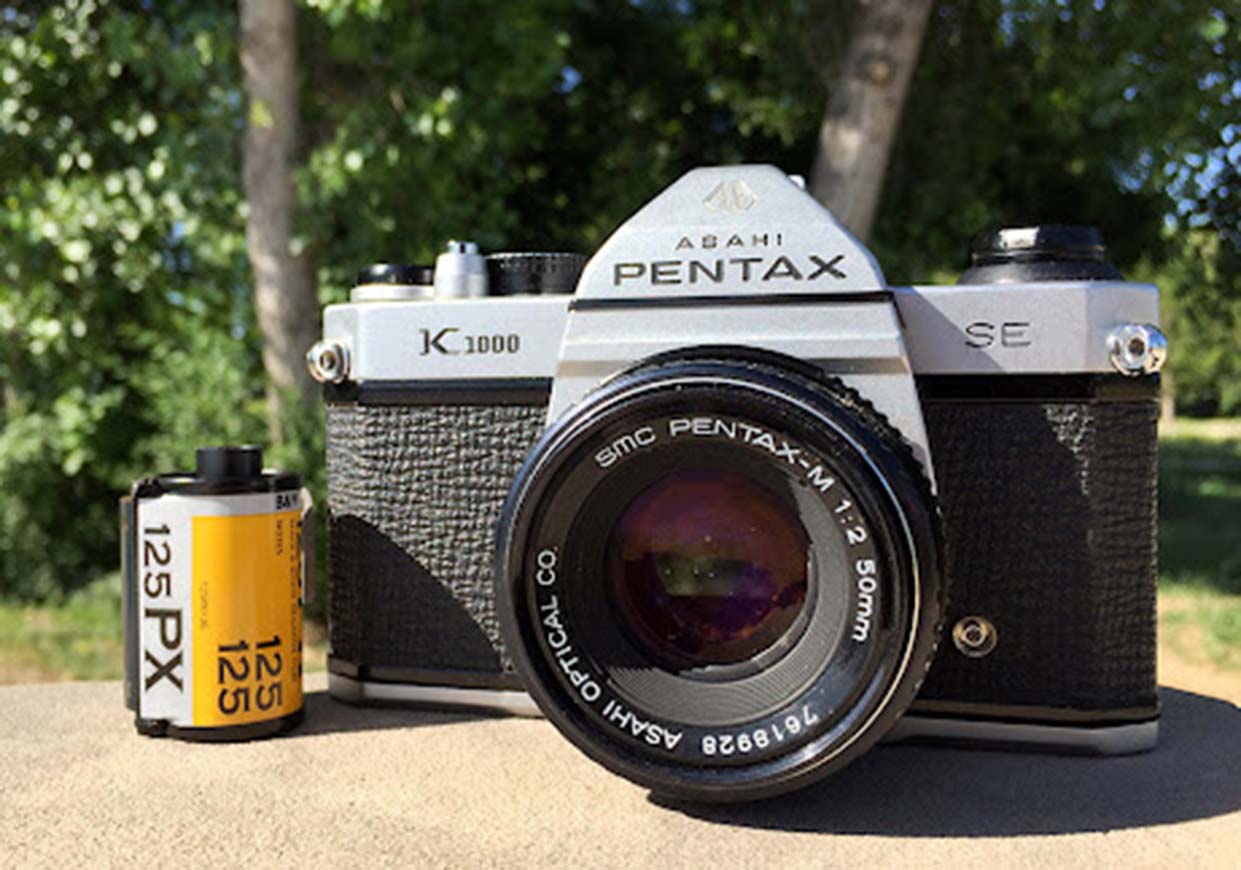
SLR (Single-Lens Reflex) Cameras: These cameras are perfect for those who want more control over their images and have a bit of experience with photography. SLRs allow you to manually adjust settings like shutter speed, aperture, and focus. Popular models like the Canon AE-1, Nikon FM2, or Pentax K1000 offer a classic experience with plenty of room for growth as your skills improve.
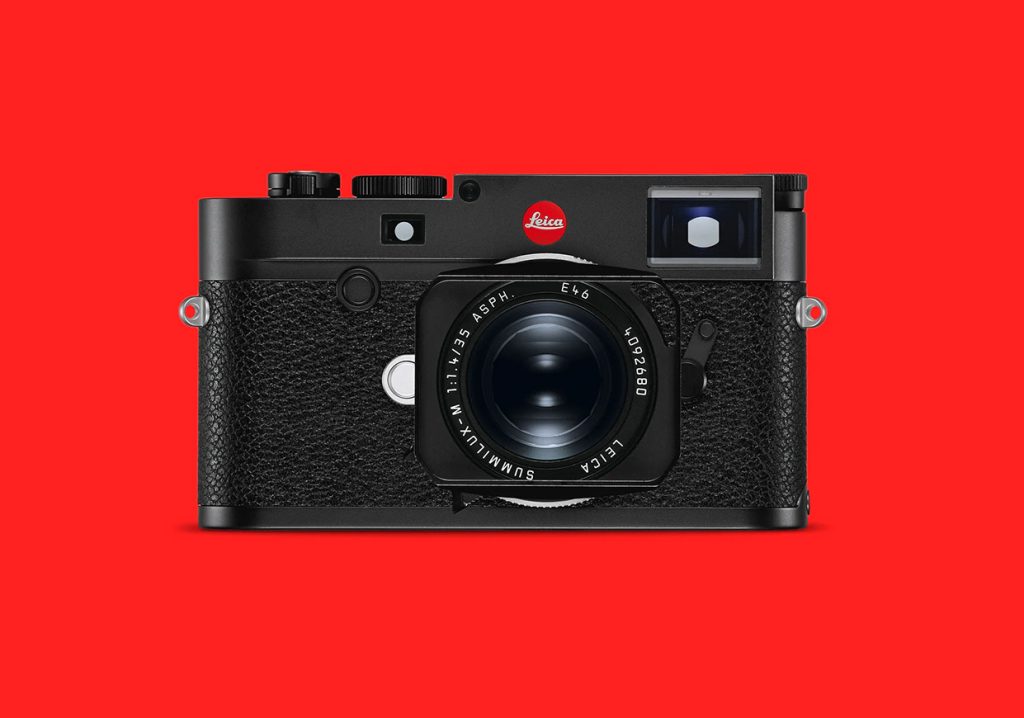
Rangefinder Cameras: Rangefinders are a bit different from SLRs in that they use a separate viewfinder and rangefinder to focus rather than looking directly through the lens. This offers a unique and often quieter shooting experience. Famous models include the Leica M series or the Voigtländer Bessa series. Rangefinders are often favored by street photographers due to their compact size and discrete shooting style.
2. Your Budget
Film cameras can range from inexpensive to quite costly, depending on the model, brand, and condition. Budget-friendly point-and-shoot cameras and beginner SLRs can be found for under $100 on second-hand marketplaces like eBay, while more professional models or collectible cameras, such as those from Leica, can run into the thousands.
For beginners, it’s advisable to start with a more affordable camera, especially if you’re still learning the ropes of film photography. That way, you don’t feel the pressure of ruining expensive film as you practice.
3. Lens Selection
Lenses play a huge role in the quality of your images, so consider the availability of lenses for the camera system you choose. SLR cameras, such as those from Canon, Nikon, and Pentax, generally have a wide selection of lenses that can be purchased at various price points, both new and used.
If you choose a rangefinder camera like the Leica M-series, keep in mind that while the lens selection is more limited, the quality of Leica lenses is exceptional and can produce breathtaking results.
4. Camera Features
When selecting a film camera, you’ll need to decide what features are important to you. Some cameras are fully manual, allowing you to adjust every setting (shutter speed, aperture, ISO). Others have automatic exposure, auto-focus, or light metering. If you’re starting out, it’s often helpful to select a camera with built-in light metering so you can learn how to balance exposure.
Look for features that match your shooting style and expertise. For instance, if you plan to shoot long exposure landscapes, you’ll want a camera with a bulb mode for extended shutter speeds. If you’re into portrait photography, a camera with interchangeable lenses can be great for experimenting with different focal lengths.
5. Condition and Availability of Film
Used film cameras, especially vintage ones, may have wear and tear. Always check for light leaks, mechanical malfunctions, or rust. If you’re buying from a second-hand store, it’s helpful to inspect the camera thoroughly or ask for a return policy in case you find any issues after purchase.
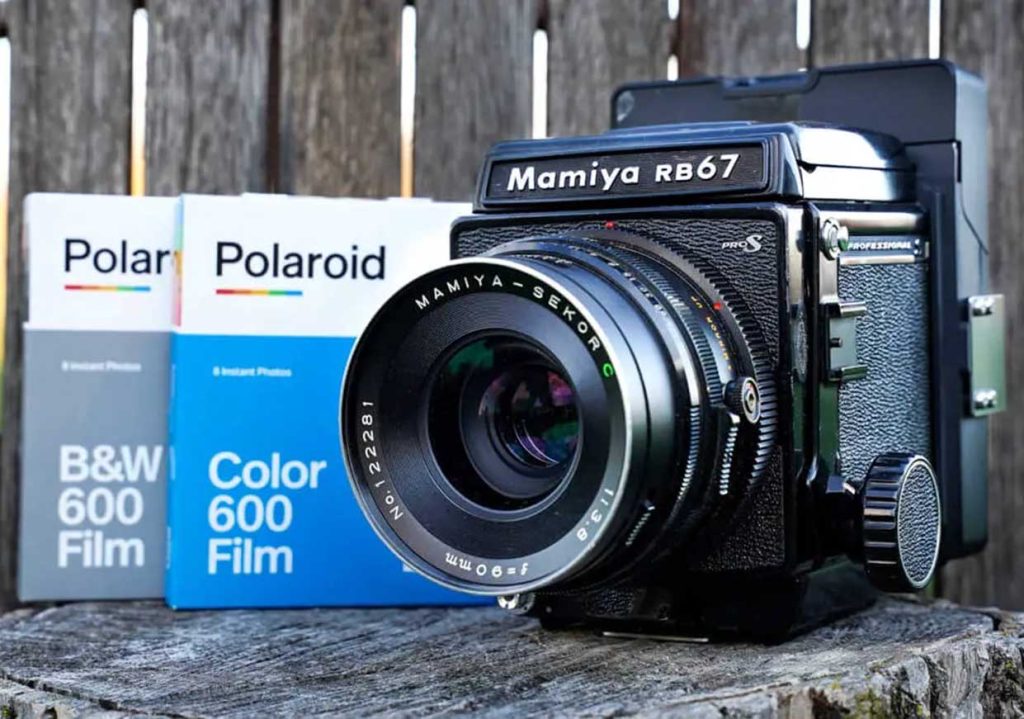
Additionally, you’ll want to check if the camera you’re interested in is compatible with the type of film you plan to use. Most 35mm cameras use 35mm film, but if you’re interested in medium format, cameras like the Hasselblad 500CM or the Mamiya RB67 are fantastic choices. Keep in mind that some formats, like 120 film, may be harder to find and more expensive to develop.
Best Film Cameras for Beginners
Now that we’ve covered the essential factors to consider, let’s dive into some popular film camera models for beginners.
1. Canon AE-1
The Canon AE-1 is one of the most beloved 35mm SLRs ever made. Released in the late ’70s, this camera offers a fantastic balance of manual control and automatic exposure settings. It’s easy to use, well-built, and offers a variety of lenses, making it a great choice for both beginners and intermediate photographers.
2. Nikon FM2
The Nikon FM2 is a fully manual 35mm SLR with a robust design. It has a reliable mechanical shutter and works without batteries for shooting at higher speeds. Its durability and simplicity make it an excellent choice for beginners who want to dive into manual photography.
3. Pentax K1000
The Pentax K1000 is another popular manual SLR camera that’s known for its simplicity and reliability. With its fully manual controls, it’s a fantastic tool for learning the fundamentals of exposure, aperture, and shutter speed. It also has a wide range of affordable lenses.
4. Olympus OM-10
For those who prefer a compact design, the Olympus OM-10 offers manual exposure control in a smaller, lighter package. The OM series lenses are sharp, and the camera is ideal for street and travel photographers.
5. Leica M6
For a more premium option, the Leica M6 is a highly regarded rangefinder camera. It’s known for its incredible build quality, superb lenses, and precise light meter. While it’s on the expensive side, it’s an investment that will last a lifetime.
Choosing the right film camera ultimately depends on your personal preferences, shooting style, and budget. Whether you opt for a simple point-and-shoot, a fully manual SLR, or a premium rangefinder, each type of camera has its unique advantages and charm. The key is to start with something that feels comfortable and offers the features you need to learn and grow as a photographer.
No matter which film camera you choose, the most important thing is to enjoy the process of capturing moments on film. Film photography is a rewarding and fulfilling medium, and with the right camera, you’ll be able to create beautiful, timeless images for years to come.