In the ever-evolving world of smartphones, the camera has become one of the most crucial features driving purchasing decisions. From the humble beginnings of basic point-and-shoot capabilities to today’s powerful multi-lens systems, smartphone cameras have undergone a significant transformation. In this article, we’ll take a deep dive into the evolution of smartphone cameras, exploring key innovations and technologies that have made modern smartphones photography machines. We’ll also look at the best camera phones on the market in 2025 to help you choose the ultimate photography device.
The Early Days: Basic Functionality
The journey of smartphone cameras began in the early 2000s with the introduction of the first mobile phones featuring built-in cameras. These early models, such as the 2000 release of the Sharp J-SH04 in Japan, offered basic 0.1 MP (megapixels) images, primarily used for MMS (Multimedia Messaging Service) and not much more. The quality of these images was often grainy and pixelated, with little room for enhancement or creativity.
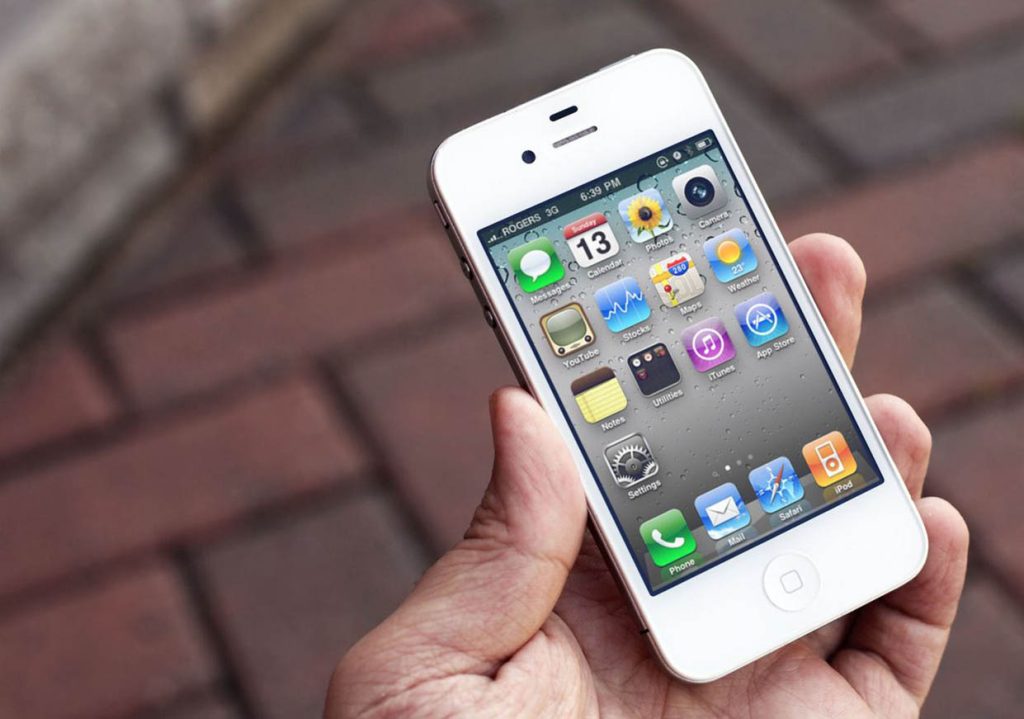
As the years passed, camera technology improved, with phones reaching 1 MP and beyond. However, it wasn’t until the launch of the iPhone 4 in 2010 that the world started to take mobile photography seriously. Apple’s decision to include a 5 MP camera with HD video recording marked the beginning of a new era for smartphone cameras. Users could now capture higher-quality photos, making the idea of leaving behind traditional point-and-shoot cameras more appealing.
The Rise of Megapixels and the Push for Quality
By the mid-2010s, smartphone cameras had become an essential feature, with more manufacturers jumping on the bandwagon. One of the key areas of development was the increase in megapixels (MP). In 2013, Nokia launched the Lumia 1020, boasting a groundbreaking 41 MP camera, a giant leap forward in terms of resolution. This move was designed to attract photography enthusiasts, but the true potential of the device was more about its ability to capture detailed images, rather than just focusing on the sheer number of pixels.
While megapixel count remains an important factor, the industry quickly learned that higher resolution did not automatically translate into better image quality. Innovations like larger image sensors, better lenses, and improved software algorithms became crucial to producing photos that looked good on screens. In 2016, the Google Pixel, equipped with a 12.3 MP camera, demonstrated how advanced software could significantly enhance photo quality, even with fewer megapixels.
The Explosion of Dual and Triple Cameras
By 2017, smartphone manufacturers began to experiment with multiple cameras on a single device, introducing the concept of dual and triple-camera systems. The iPhone 7 Plus, launched in 2016, featured a dual-camera setup—one wide-angle lens and one telephoto lens—which allowed users to take portrait shots with a bokeh effect (the blurred background effect). This feature quickly became popular, as it mimicked the kind of photography that professional DSLR cameras could produce.
The addition of multiple lenses meant that smartphone cameras could now capture images in a variety of ways. For example, the Huawei P20 Pro, released in 2018, offered a triple-camera system with a 40 MP main sensor, a 20 MP monochrome sensor, and an 8 MP telephoto sensor. This innovative setup provided greater flexibility, allowing users to shoot wide-angle, zoomed-in, and even black-and-white photos with stunning detail.
By 2020, even more advanced systems began to appear, including quad-camera setups. These systems typically included ultra-wide, standard, telephoto, and depth sensors, allowing for much more versatile shooting options. These innovations were accompanied by AI-powered features that enhanced image quality, adjusted settings for optimal shots, and even helped with automatic scene recognition.
The Power of AI and Computational Photography
In recent years, the role of artificial intelligence (AI) and computational photography has become a game-changer for smartphone cameras. While hardware improvements, such as larger sensors and more powerful lenses, have helped advance camera quality, it is the software that truly distinguishes high-end smartphones from the rest.
AI-powered features such as Night Mode, Smart HDR, and Scene Optimization rely on advanced algorithms to enhance images. These features can adjust the exposure, color balance, and dynamic range, even in low-light environments, to produce better results without the need for a flash or additional equipment. Google’s Night Sight and Apple’s Night Mode, for instance, use long-exposure techniques to capture more light and detail in nighttime photography, even in challenging conditions.
In addition, AI-based portrait modes, which simulate a DSLR-like depth-of-field effect, have become a staple on modern smartphones. These modes use computational photography to blur the background and highlight the subject, creating a more professional-looking image. This has allowed smartphone cameras to replicate high-end DSLR results with minimal effort on the part of the user.
The 2025 Smartphone Camera Landscape
Fast-forward to 2025, and we find ourselves in an era of even more advanced smartphone cameras. With the arrival of larger sensors, better lenses, and the latest AI-powered features, choosing the right camera phone can be a daunting task. To help you make an informed decision, here are some of the best photography-focused smartphones on the market this year:
- Apple iPhone 15 Pro Max
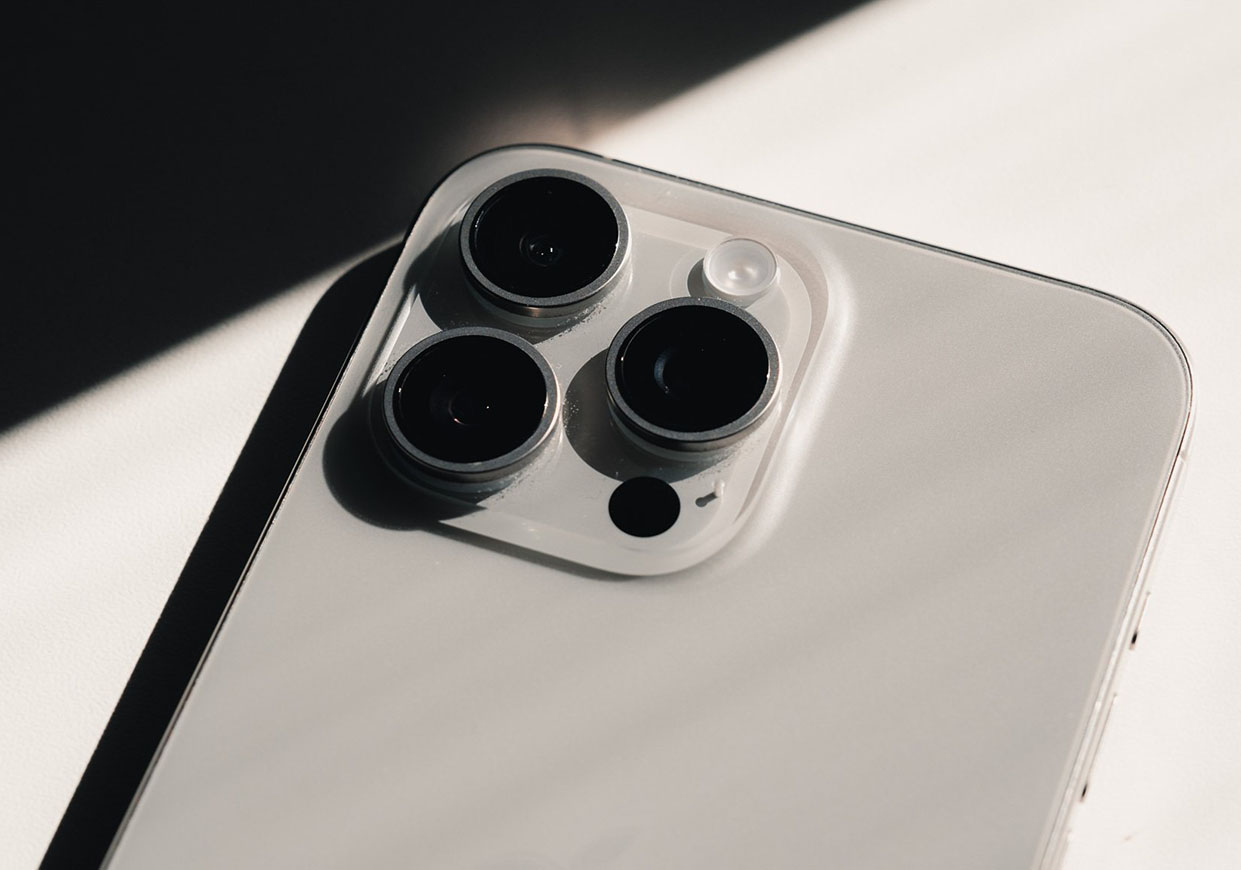
Apple’s iPhone 15 Pro Max continues to lead the way in smartphone photography, offering an impressive 48 MP main sensor, a 12 MP ultra-wide camera, and a telephoto lens with up to 5x optical zoom. The new sensor is larger, allowing more light to enter, resulting in better low-light performance. Coupled with Apple’s powerful image processing algorithms, this phone produces stunning detail and vibrant colors. Night Mode, Deep Fusion, and Smart HDR 4 further enhance the overall photography experience, making it one of the best camera phones in 2025. - Samsung Galaxy S25 Ultra
Samsung’s flagship Galaxy S25 Ultra features a versatile quad-camera system that includes a 200 MP primary sensor, a 12 MP ultra-wide lens, two telephoto sensors (3x and 10x zoom), and a depth sensor. Samsung’s ISOCELL technology ensures exceptional detail, even in low-light environments, while AI-driven features enhance zoom quality and dynamic range. Its advanced Space Zoom technology lets you get closer to distant subjects without sacrificing detail, making this a great option for professional-level mobile photography. - Google Pixel 9 Pro
Google’s Pixel phones have long been known for their software-first approach to photography, and the Pixel 9 Pro is no exception. With a 64 MP main camera, a 16 MP ultra-wide lens, and an advanced telephoto lens with 10x optical zoom, the Pixel 9 Pro offers exceptional clarity and color accuracy. Google’s computational photography powers the phone’s stunning image quality, with features like Real Tone for accurate skin tones and Magic Eraser to remove unwanted objects from photos. - Huawei P60 Pro
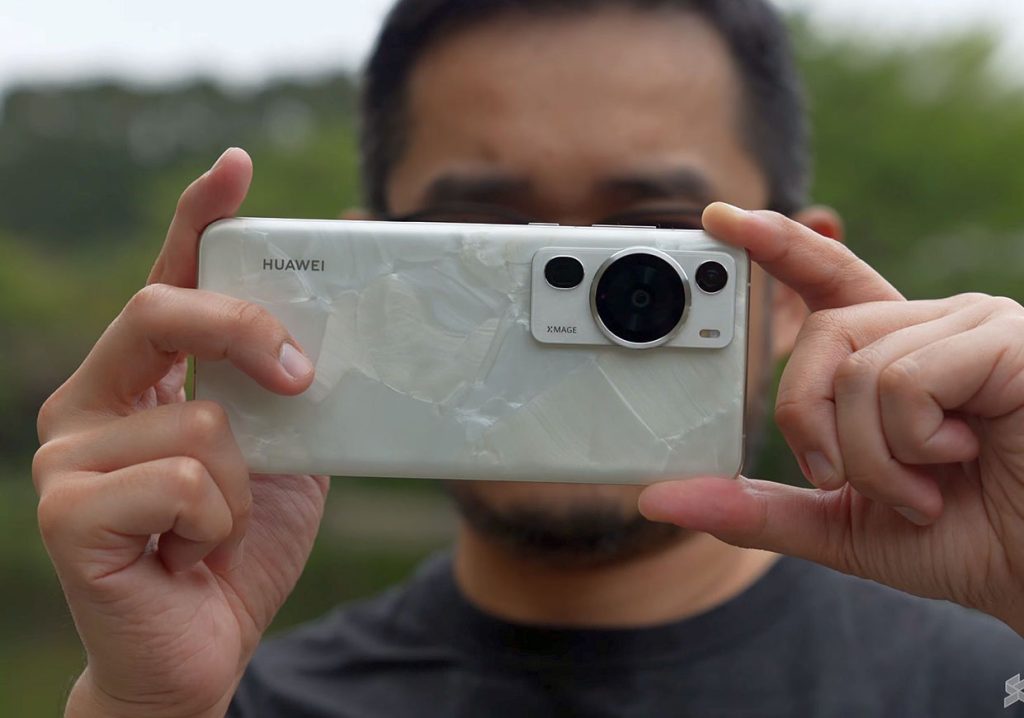
The Huawei P60 Pro continues to push the boundaries of mobile photography with its 50 MP primary sensor, 50 MP ultra-wide camera, and 64 MP telephoto lens with up to 100x digital zoom. Huawei’s innovative AI-enhanced image processing and hardware improvements ensure excellent low-light performance, detailed zoom shots, and a wealth of creative photography options. It also features a powerful portrait mode and a dedicated 3D depth sensor for professional-quality results.
The Future of Smartphone Photography
Smartphone cameras have come a long way since their humble beginnings. With each year, we see new advancements in sensor technology, lens capabilities, and AI-driven features that allow users to capture stunning images in any environment. Whether you’re a casual photographer or a professional, modern smartphones offer an all-in-one solution for capturing high-quality images and videos.
Choosing the ultimate photography smartphone ultimately comes down to your specific needs—whether you prioritize ultra-high-resolution sensors, excellent low-light performance, or a versatile zoom system. However, one thing is clear: the future of smartphone photography is brighter than ever, with innovations continuing to push the boundaries of what’s possible in mobile imaging.