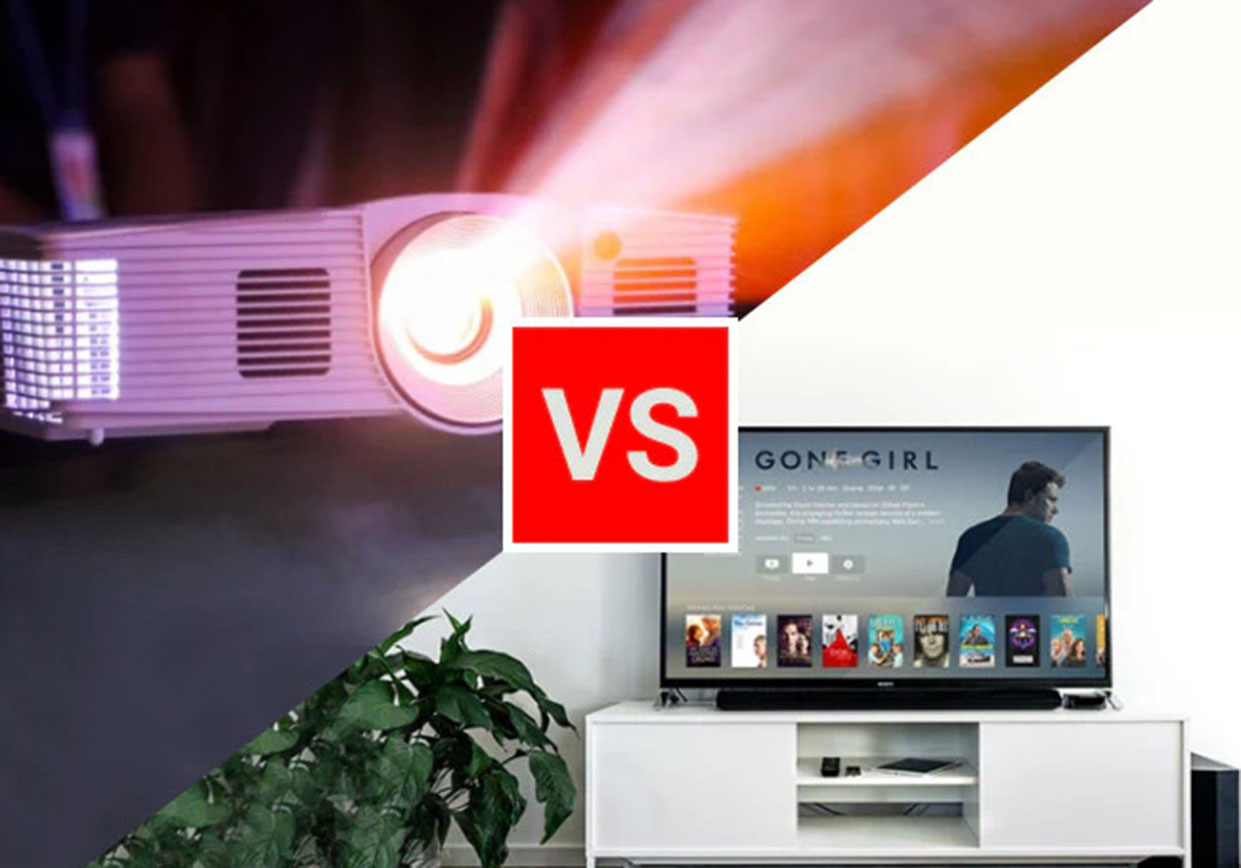
When it comes to setting up the ultimate home entertainment system, one of the most common debates revolves around whether to choose a projector or a TV. Both offer distinct advantages, and the right choice largely depends on your specific needs, preferences, and the space you plan to use them in.
1. Size and Viewing Experience
Projector:
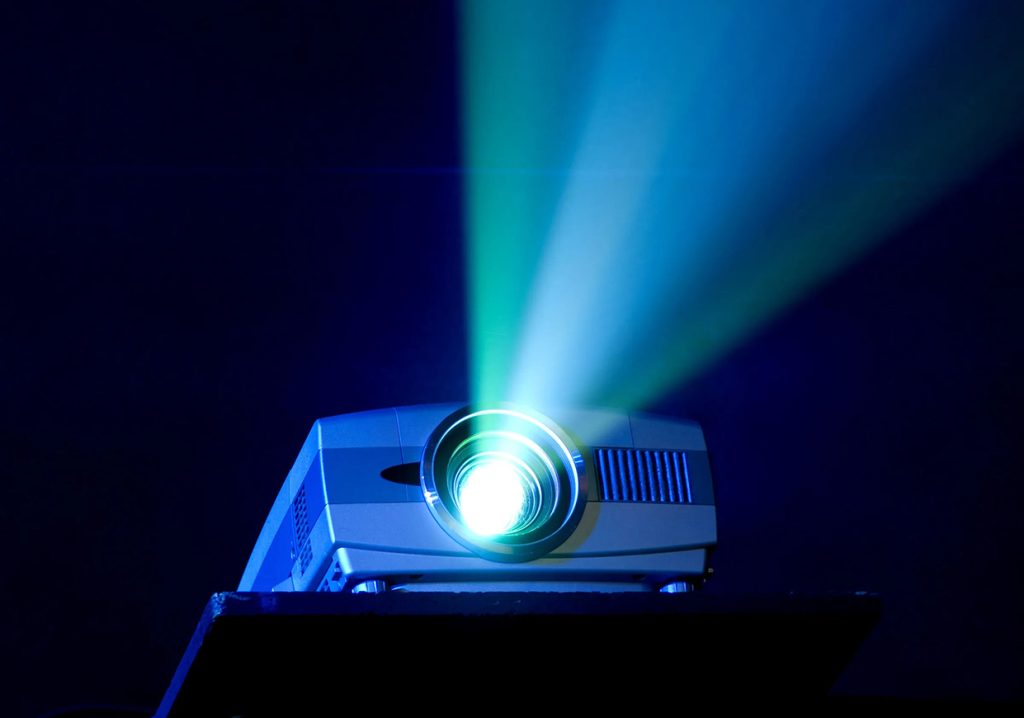
One of the biggest selling points of projectors is the size of the image they can produce. A projector can create an image as large as you want—well over 100 inches in diagonal length—depending on the model and your space. This makes projectors an excellent choice for people who want a cinema-like experience in the comfort of their own home.
The larger screen size is ideal for watching movies, sports, and playing video games on a massive display. However, it’s important to note that the quality of the image diminishes as the size increases, especially in rooms with poor ambient lighting or inadequate screen material.
TV:
Televisions, on the other hand, typically range from 32 inches to 85 inches, with the larger models approaching the size of smaller projectors. However, TVs offer an unbeatable consistency in picture quality. The image remains sharp, vibrant, and crisp regardless of its size (within the TV’s native resolution).
While projectors offer the advantage of massive screen sizes, a TV provides a level of detail and clarity that projectors struggle to match—especially in smaller models. If you’re looking for a hassle-free experience with excellent image quality, a TV may be the way to go.
2. Image Quality and Resolution
Projector:
Projector image quality can vary widely depending on the model and the technology it uses. While high-end projectors can offer 4K resolution, many projectors tend to be lower in resolution—1080p or even lower in some cases. Additionally, the brightness of a projector can significantly affect its picture quality. A bright, high-lumen projector can offer vivid images, but these models tend to come at a premium price.
However, the biggest issue with projectors lies in their performance in rooms with ambient light. To achieve the best viewing experience, you need a dark environment. If you’re using the projector in a room that isn’t perfectly dark, the picture can appear washed out.
TV:
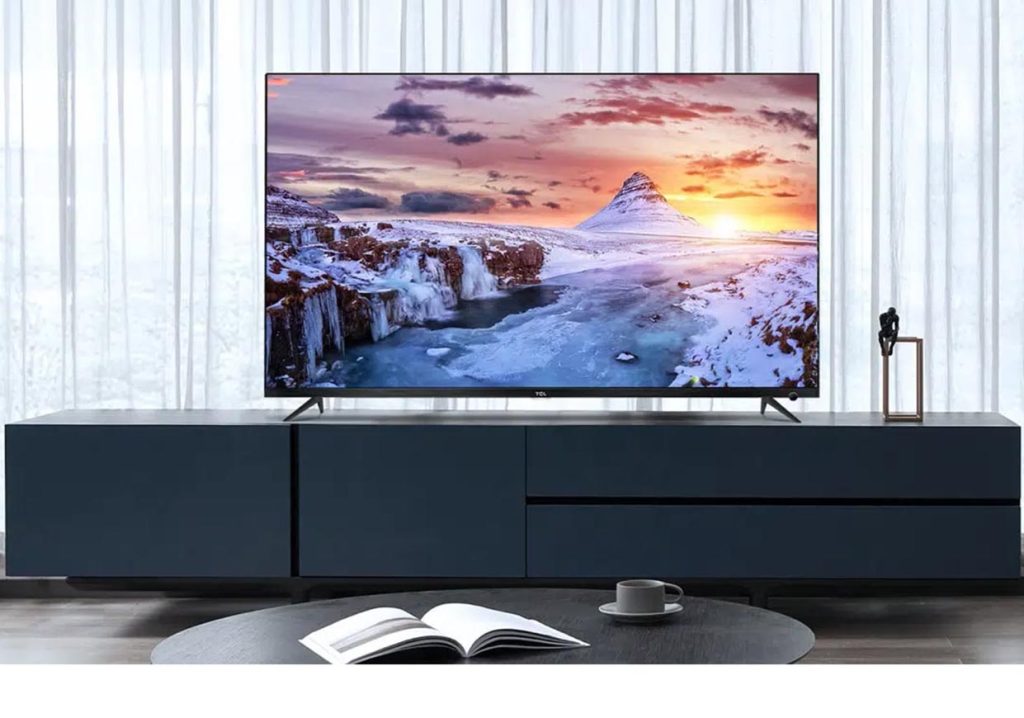
Modern televisions, particularly LED, OLED, and QLED models, offer some of the best picture quality available. With a resolution range from 1080p to 4K and 8K (depending on your budget), TVs provide stunning detail, contrast, and vibrant colors, even in rooms with ambient light. The brightness levels of TVs are also far higher than those of most projectors, making them a better option for daytime viewing or in rooms that can’t be completely darkened.
For anyone who values perfect picture quality with no compromise, a TV is often the better choice.
3. Portability and Setup
Projector:
Projectors are generally more portable than TVs. They can be moved easily from one location to another, and many modern projectors are lightweight and compact. This makes them an excellent choice for people who want to create a temporary theater in different parts of their home or even take them outside for a backyard movie night.
However, the setup for a projector can be more involved than for a TV. Most projectors require a flat, smooth surface (or a projector screen) and an optimal viewing distance. You may also need a projector mount, a sound system, or extra cables, depending on the projector model.
TV:
Televisions, on the other hand, are designed to be permanent fixtures in your living room, bedroom, or entertainment area. While some TVs can be mounted on the wall, most are placed on a stand or media console, and setup typically involves simply plugging in the TV and connecting it to the necessary devices.
TVs are extremely user-friendly and require minimal effort to set up. There’s no need for special screens, mounts, or adjustments. If you prefer a quick and easy installation with minimal hassle, a TV is the more convenient option.
4. Sound Quality
Projector:
Projector sound quality can be a significant issue for many users. While some high-end projectors come with decent built-in speakers, most projectors have sound systems that are not on par with modern TVs. Since projectors rely on small speakers, the sound may be hollow or lacking in depth.
To remedy this, you’ll need to invest in an external speaker system or a soundbar. This adds to the overall cost and complexity of the setup. If you’re aiming for a truly immersive movie-watching experience, sound quality is an important factor to consider.
TV:
Televisions usually come with better integrated sound systems than projectors. Higher-end models, especially those from brands like LG, Samsung, and Sony, often include built-in sound systems that offer a richer audio experience without needing external speakers. However, for audiophiles or users seeking premium sound, adding a soundbar or home theater system will still improve the audio experience.
If sound quality is a top priority and you want to keep things simple, a TV will deliver better out-of-the-box audio than most projectors.
5. Cost and Value for Money
Projector:
Projectors generally offer better value for large screen sizes, with many models costing less than similarly-sized TVs. However, the cost doesn’t end with the projector itself. You’ll need a quality projector screen (or a wall), a sound system, and possibly a mount. Additionally, projectors have shorter lifespans for bulbs (in traditional models), and bulb replacement can add to ongoing maintenance costs.
Budget-friendly projectors can start as low as $100, but high-quality 4K projectors can exceed $2,000. Ultimately, the overall cost can add up quickly once you factor in the necessary accessories.
TV:
While large TVs, particularly those over 65 inches, can be expensive, they come with everything you need right out of the box—no screen or additional audio system required. A quality 4K TV can range from $500 to $2,000+, but once you’ve made the purchase, there’s little need for ongoing expenses (outside of occasional maintenance).
In terms of cost-effectiveness, TVs generally offer a more streamlined and cost-efficient solution, especially for those who don’t want to deal with the extra accessories and setup costs associated with projectors.
6. Best Use Case: When to Choose a Projector and When to Choose a TV
When to Choose a Projector:
- Large Viewing Space: If you have a big room or a dedicated home theater space, a projector can provide a truly cinematic experience with an enormous screen.
- Outdoor Use: Projectors are great for outdoor movie nights or portable setups, where a TV’s size and placement are impractical.
- Budget-Friendly for Large Screens: If you want a large screen without spending thousands of dollars, a projector can offer more screen real estate for a lower price.
When to Choose a TV:
- Consistency and Convenience: If you want a consistent, high-quality picture with minimal setup, a TV is the better choice. TVs are easier to install, require no additional accessories, and can be used right out of the box.
- Bright Rooms: If you’re watching content in a well-lit room or during the day, a TV is the more reliable choice, offering superior brightness and clarity.
- Sound Quality: If sound matters to you and you want good audio without additional investments in a sound system, a TV is a better option.
Both projectors and TVs have their strengths and weaknesses, but the right choice comes down to how and where you plan to use the device. If you’re looking for a large screen experience and are willing to invest in additional equipment and setup, a projector can deliver a fantastic cinematic experience. However, if you prioritize convenience, image quality, and consistent performance, a TV is likely the better choice.
Before making a decision, consider your space, budget, and the type of viewing experience you want. Both technologies have come a long way, but your ideal entertainment setup depends on your personal preferences and lifestyle.